Widex Sound Assist – ‘Swiss Army Knife For Your Hearing Aids’

What Is The Widex Sound Assist?

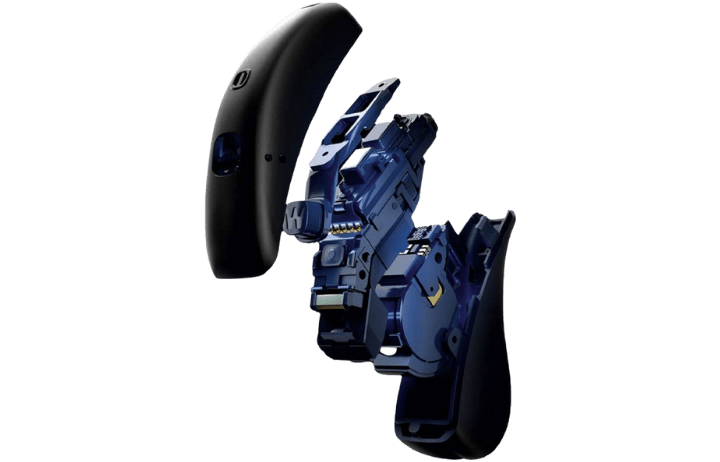
The all-new Widex Sound Assist is a pocket-size multifunctional wireless microphone that boosts conversation in small groups or noisy environments. A five-in-one device designed to improve communication through partner and table microphone functionality, hands-free phone calls, direct streaming from any Bluetooth device, and remote control.  

Whether it’s a one-to-one conversation, a lively dinner, or an important call, Sound Assist can help you feel more connected to the sounds that matter most to you.

What Does The Widex Sound Assist Do?

The Widex sound assist features a multidirectional microphone setting, the Sound Assist Microphone can be placed on your partner's shirt collar/lapel, or on a nearby table to hear conversations directly in your hearing aids. Featuring direct connectivity with iOS and Android devices, the Sound Assist allows wireless Widex hearing aid users to connect a Bluetooth mobile phone or tablet directly to their hearing aids for a complete and clear hands-free listening experience. The Widex Sound Assist microphone can also be used as a remote control for hearing aid volume or program settings and features a built-in telecoil mode (even if your hearing aids don’t have Telecoil) that connects to a variety of electromagnetic energy sources including a telephone, assistive listening devices, and induction loop systems.

Benefits of the Widex Sound Assist

  • Partner microphone mode – One-to-one conversations with friends and family sound clear wherever you are.
  • Table microphone mode – Hear important meetings, lively dinners, and group conversations more easily.
  • Hands-free phone calls – Great sounding calls on the go.
  • Streaming from any Bluetooth device – Send music, film, or TV audio to your hearing aids.
  • Remote control for Widex Moment Bluetooth hearing aids – Control your sound, easily.
  • Telecoil mode – Telecoil functionality even if your hearing aids don’t have telecoil.

Who Is The Widex Sound Assist Suitable For?

The Widex Sound Assist is compatible with Widex Moment 330 & 440.

5 Benefits of Wearing a Hearing Device

1: Enhance your current hearing

Unfortunately, hearing loss, largely, can not be reversed, a hearing device will not restore the hearing you have lost but will maximise your current hearing.

Unlike prescription eyewear which restores your vision to 20/20, hearing devices are programmed to enhance your current hearing to improve a person's quality of life.

A Qualified Audiologist can provide a full hearing test and a physical examination of the ear, allowing for a detailed diagnosis. The results of the hearing test are plotted on a graph called an Audiogram which gives a visualization of a person's ability to hear at low and high frequencies for each ear.

Your Audiologist will explain in detail what your Audiogram means and the reasons for any difficulties you may be experiencing.

The Audiogram will display:

(i) If hearing loss is present
(ii)The level of hearing loss in each ear
(iii) The type of hearing loss (Sensorineural, Conductive, Mixed) – and what this means for you going forward

Once diagnosed, a hearing device can be prescribed for your level of hearing loss. The Audiologist will program a hearing device for each ear based on your audiogram. Once programmed, most patients experience a clarity improvement in their hearing.

(i) You may hear sounds that you have previously not
(ii) You may find it easier to communicate with people
(iii)You may hear speech clearly in busy environments

2: Lower risk of cognitive decline

Seniors with hearing loss are significantly more likely to develop dementia over time. Frank Lin, M.D, Ph.D. conducted a study researching the link between hearing loss and dementia.

Dr. Lin’s study highlighted that although the reason for the link between the two conditions is unknown, the investigators suggest that a common pathology may underlie both or that the strain of decoding sounds over the years may overwhelm the brains of people with hearing loss, leaving them more vulnerable to dementia. Furthermore, the University of Washington’s Department of Medicine conducted research on the link between dementia and hearing loss.

In a sample of 100 patients with dementia, 83 patients had hearing loss. Once fitted with a hearing device, a third of those patients were classified with a less severe case of dementia.

Research conducted by the Lancet Commission in 2020 cited that hearing loss might result in cognitive decline. Hearing loss is cited as one of the 12 factors related to preventing dementia from early childhood.

3: Improve communication with family and friends

Recurring hearing problems may have a negative effect on a person's quality of life. The ability to communicate accurately and freely can negatively affect their independence, well-being and confidence.

Research by Timothy Beechey observed the difference in a hearing device to participants of the study. “The provision of hearing aid amplification reduces the effort required to maintain communication in adverse conditions. This reduction in effort provides benefit to hearing-impaired individuals”.

A person's ability to hear clearly and converse with people in a social setting can also give a person great confidence. Unfortunately, people who suffer from hearing loss can feel isolated and unable to engage in conversations.

Correctly programmed hearing devices can:

  • Boost a person’s confidence
  • Give them independence
  • Avoid feeling isolated
  • Engage more in social settings
  • Build better relationships with family & friends

4: Reduced auditory fatigue

When a person experiences hearing loss, they may suffer auditory fatigue. Auditory fatigue occurs when we are unable to translate a particular sound or frequency meaning the brain must work harder to process the signal. A person struggling with their hearing must work harder to hear, process and interpret the sound.

This can lead to tiredness, mental fatigue, decreased sensitivity, and discomfort. People can struggle to process conversations, focus for a prolonged period of time or distinguish sounds in a busy environment.

By seeking the help of a Qualified Audiologist to establish if hearing loss is present, hearing devices can be prescribed to assist with hearing loss. Once programmed to the exact hearing loss which in turn can reduce auditory fatigue.

5: Reduced Tinnitus symptoms

Tinnitus is the term for hearing sounds that come from inside your body, rather than from an outside source. Quite often described as a ringing, buzzing, whistling, or humming. There are several causes of Tinnitus which are often related to age-related hearing loss, compacted ear wax, Ménière's disease & otosclerosis.

A consultation with a Qualified Audiologist can provide a diagnosis and possible treatment plan. A hearing device can assist with Tinnitus as the majority of models have a Tinnitus masker built in. An Audiologist can program a hearing device to your level of loss and apply a Tinnitus masker based on your Audiogram.

Very often, wearing a hearing device set to your Audiogram (so replacing missing sounds/ tones), will have a beneficial effect on a person’s tinnitus, and may not need to use a masker, again, your Audiologist will best advise.

References:

https://www.hopkinsmedicine.org/news/media/releases/hearing_loss_and_dementia_linked_in_study
https://www.thelancet.com/journals/lancet/article/PIIS0140-6736(20)30367-6/fulltext https://www.alz.org/media/documents/alzheimers-facts-and-figures-2019-r.pdf https://pubmed.ncbi.nlm.nih.gov/32259454/

How To Pair Your Widex RC-DEX With Your Hearing Aids

Before the RC-DEX remote can be used, it must be matched with
the hearing aids.

This is easily done by following the below steps:

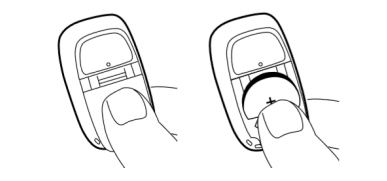
1: Insert the battery into the RC-DEX remote.

insert-the-battery-into-the-RC-DEX-remote
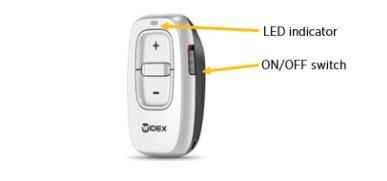
2: Make sure the RC-DEX is turned on by pushing the slider on the side up so the light flashes green.
make-sure-the-RC-DEX-is-turned-on

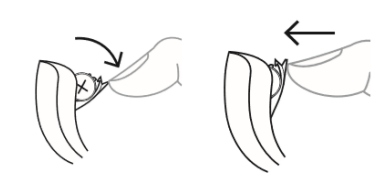
3. Restart your hearing aids by opening and closing the hearing aid battery doors.

restart-your-hearing-aids
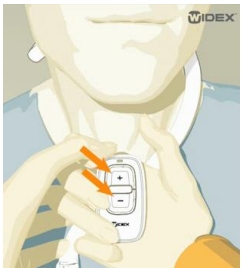
4. Place your hearing aids back into your ears and hold the RC-DEX remote control approximately 5cm/2in under your chin.

hold-the-rc-dex-under-your-chin
5. Press and hold the two volume keys (+/-) simultaneously for at least five seconds. When a beep is heard through your hearing aids the RC-DEX is matched. press-and-hold-the-two-volume-keys

6. Your RC-DEX is now ready to use!

Ear syringing Vs Microsuction – What is the difference?

When we experience a build-up of wax, we can experience several symptoms associated.

In some cases, patients can experience different symptoms from compacted wax:

  • Experience loss of hearing
  • Itchiness in the ear
  • Fullness within the ear
  • Experienced a buzzing or ringing that can be associated with Tinnitus

Traditionally, ear syringing has been a common practice performed by GPs to remove compacted ear wax. This practice involves flushing out the ear canal using water to remove the compacted wax. Quite often syringing is often referred to as ear irrigation.

With the improvements in Audiology services, Microsuction wax removal uses a small vacuum to remove the wax removing the need for water.

In this article, we explain the key differences between ear syringing Microsuction wax removal.

Ear syringing

Ear Syringing is the procedure of injecting warm water into the ear canal to loosen and flush out compacted ear wax. The A syringe is used to control the pressure and quantity of water being injected into the ear. The patient’s head is slightly tilted allowing the water and wax to flush into a collecting basin.

Ear syringing should not be performed on patients who have a perforated eardrum or grommet. It is advised that using ear drops for a number of days to help soften the compacted wax.

Consideration of ear syringing

There are some considerations regarding ear syringing. This procedure should always be performed by a medical professional.

  • Otitis externa – A condition that causes inflammation of the external ear canal. Otitis externa is often referred to as “swimmers ear”.
  • Syringing of the ear aggravates skin conditions such as Psoriasis.
  • Perforated eardrum or grommets – Patients who have experienced a perforated eardrum.
  • Vertigo – Water used in ear syringing should be body temperature (37°C), if the water is to cold or hot it can cause vertigo or dizziness.

Microsuction wax removal

Microsuction is a very safe method of removing ear wax blockages. As no water and irrigation are used, the risk of eardrum perforation, infections, or trauma to the eardrum is greatly reduced. The Audiologist can visibly see the wax and can use the suction tool to remove the compacted wax.

In some cases the Audiologist might use a small tool called a jobson horne to remove stubborn wax. microsuction is one of the safest methods to removing compacted wax which is performed by a fully qualified Audiologist.

Microsuction costs €90 for both ears. We will always advise the use of Earol 4 – 5 days before your appointment. Earol can be purchased on our online store for €10 or in your local pharmacy. Please note: If no wax is present during the appointment, a €25 fee will apply for the consultation.

Considerations of microsuction wax removal

We will always recommend consulting our team before booking in a microsuction who will conduct a short questionnaire.

  • No surgery to ears.
  • No infections or trauma to ears.
  • No perforations he is aware of.

Microsuction is not suitable for the following conditions:

  1. Perforated eardrum - microsuction wax removal is not suitable for people who have suffered a perforated ear drum.
  2. Ear infections – patients suffering from an ear infection. The best practice is to wait for the ear infection to clear before commencing microsuction.

Can I buy just one hearing aid?

Can I buy just one hearing aid?

This question is frequently asked each week in Blackberry Hearing.
Yes, a person can purchase one hearing aid depending on their level of loss. In some instances, a person may experience hearing loss in only one ear while the other ear is perfectly fine. We have many patients who use only due to the level of hearing loss. It’s not uncommon for people to have different levels of loss in each ear.

The only way to distinguish the level of hearing loss is a full hearing test, and an examination is recommended.

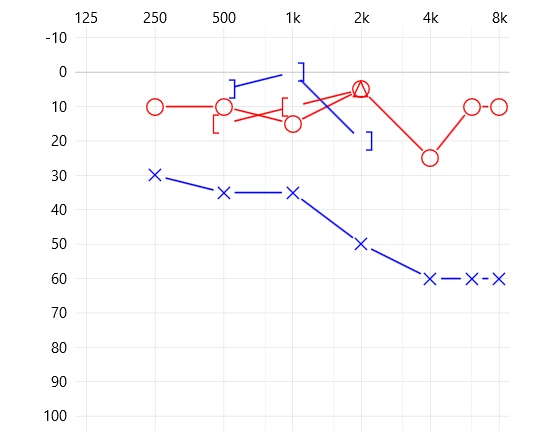
The results of your hearing test are plotted on a graph that visually indicates the level of loss in each ear.
In the Audiogram below, there are different levels of hearing loss in each ear.

In this instance, a person only requires one hearing aid as the opposing ear does illustrate sufficient loss.

audiogram-single-side-hearing-loss

Can I still claim the PRSI grant for one hearing aid?

Yes, if you are entitled to the PRSI grant, you can claim €500 to be deducted from the price of your hearing aid. If you have any questions about the hearing aid grant, please do not hesitate to contact our team.

Are there any changes to the warranty or aftercare?

Regardless if you purchase one or two hearing aids, we offer the same 4-year warranty & aftercare service. Our Audiologists are always on hand to adjust your hearing aids and retest your hearing free of charge.

Newstalk – Ask The Expert

We were recently featured on the Pat Kenny show. Rhea provided listeners with some expert advice.

You can listen to the full podcast below. If you would like to speak to any of our Audiologists. Simply book your free consultation today.

Can excessive ear wax cause Tinnitus?

When a person experiences a ringing, buzzing, or whistling in their ear, they may be experiencing some form of Tinnitus. Tinnitus is not a condition but an actual symptom related to hearing loss.

In some cases, tinnitus can be caused by age-related hearing loss (presbycusis) or exposure to loud noises. One of the most frequent reasons for hearing loss relates to the build-up of compacted wax.

When the wax becomes compacted, it can affect your hearing in several ways. The pressure build-up from excessive wax can stimulate the nerves in your inner ear. Furthermore, if a large volume of wax becomes compacted, the wax can cause an obstruction causing some level of hearing loss.

Before removing compacted wax, the Audiologist will conduct a physical examination of your ears and speak about the sensations you are experiencing. Once the Audiologist has identified compacted wax, the process of Microsuction wax removal can begin.

The Audiologist starts the process by using removing the wax using a small suction. This suction removes the wax safely without the use of irrigation.

Will Microsuction improve my Tinnitus?

If compacted wax was the source of your tinnitus, The Audiologist starts the process by removing the wax using a small suction. If your symptoms included a feeling of fullness in your ear or pressure, most likely compacted wax has been the cause of your tinnitus.

If your tinnitus has not improved after removing the compacted and there is no visible obstructions, the Audiologist will recommend a hearing test.

If a hearing loss is detected, we then need to establish if it is outer, middle or inner ear hearing loss. Our Audiologist can advise on some possible treatments for your tinnitus for you to try.

Microsuction costs €90 for both ears. We will always advise the use of Earol 4 – 5 days before your appointment. Earol can be purchased on our online store for €10 or in your local pharmacy. Please note: If no wax is present during the appointment, a €25 fee will apply for the consultation. If you are concerned about your hearing we will always recommend a full hearing test to distinguish if you are experiencing hearing loss.

How Microsuction Works

Our Audiologist John explains how Microsuction wax removal works and completes a demonstration.

Why is your hearing aid warranty so important?

When researching and purchasing your hearing aids, it’s important to understand what your warranty covers and how your hearing aid provider can help. The warranty period can differ depending on the manufacturer, technology level, and provider you purchase. Most manufacturers offer between 2 – 4 years warranty.

It’s important to understand that your hearing aids are an investment & should last you at least 4-years at a minimum once cared for properly. We offer a full 4-year warranty on all our hearing aids including an instant replacement for any manufacturer defect across our Widex & Unitron models.

This warranty includes any defects with electric components:

  • Amplifier circuitry
  • Microphones
  • Receivers
  • Telecoils

Furthermore, our warranty covers manufacturer defects to battery doors/hearing aid casings during normal hearing aid use.

Unfortunately, damage caused by water damage, excessive cerumen contamination, or defects caused as a result of improper use are not covered.

hearing-aid-warranty


Why do we recommend a 4-year warranty?

Quality differences and expectations:

Like cars, mobile phones, or any other product you may purchase, there are differences in the quality, performance, and durability of your hearing aids. We offer a 4-year warranty on all hearing aids we sell ensuring we stand over the quality and reliability.

PRSI grant:

Most people are entitled to the PRSI treatment grant that can reduce the cost of hearing aids by €1,000. A person can claim the grant every 4 years. When your purchase a pair of hearing aids from Blackberry Hearing, our goal is to ensure your hearing aids a minimum of 4 years until your grant becomes eligible once again.

Aftercare service:

Our 4-year aftercare service ensures you will always be taken care of while our customer. Our aftercare plan ensures that you can visit any of our Audiologists to check-in and monitor your hearing. Our team is always on hand to help with any queries you may have.

Remote care:

Our remote care service allows your hearing aids to be remotely tuned and adjusted from the comfort of your own home. All you need is a smartphone, the WIDEX REMOTE CARE app, and a WIDEX REMOTE LINK device, and our Audiologists will take care of the rest. We also provide remote care for our Unitron devices also.

Pharmacy and its role in Health in Ireland

As part of Blackberry Hearing’s Expert Series, Eamonn Brady MPSI of Whelehans Pharmacies in Mullingar discusses the role of pharmacy in Ireland and how it has changed both in the perception of the public and in service provision since the pandemic started in early 2020.

Pharmacists amongst the most trusted professions

In response to the question “Who would you trust to tell you the truth?” posed in early 2021 by Ipsos MRBI as part of their annual Veracity Index survey of 1000 people representing a broad cross-section of Irish society, the healthcare professions of pharmacists, doctors and nurses occupied the top three places of the twenty-seven listed categories with pharmacy coming out on top at 96%. Pharmacy also topped the results in 2020.

Interestingly, politicians, social media influencers and advertising executives occupied the bottom three places.

Community pharmacy in Ireland is a vibrant, innovative sector with 1900 pharmacies and just under 4000 pharmacists. Ireland has one of the lowest population to pharmacy ratios around at roughly 2500 per pharmacy. This in turn offers the public an extremely wide choice of pharmacy provider, with almost every town offering multiple options. The key difference from a pharmacy perspective as opposed to doctors, nurses etc is that each pharmacy is in itself a retail business and as such must compete on the high street to grow their customer base. This then, like any other business, drives the need to provide the highest level of quality and services to earn the right to gain and retain people’s business.

This success dynamic has driven the development of pharmacies to offer much more than just prescription fulfillment. Many pharmacies offer a range of ancillary services on site such as health screening, cholesterol testing, flu vaccination etc in addition to the other complementary health services such as chiropody, physiotherapy, audiology, beauty, to name but a few. The amount of expertise, help, support available in today’s pharmacy on a huge range of health conditions and issues remains unsurpassed.

Pharmacy – a true healthcare provider?

There is an obvious assumed correlation between the role of doctors and nurses and trust – we are hard wired through education from an early age that these are people that we would trust with our lives and rightly so. For pharmacists however, that assumed link in the minds of the public would not bear the same weight, even though on a day-to-day basis, the pharmacist and pharmacy would be the most common regular interaction with a health professional for most people.

Traditionally, especially when compared to doctors and nurses, community pharmacy and where it sits in the public perception of healthcare provision, would have been seen as the “Cinderella” of the health service.

As the saying goes “People’s perception is their own reality.” When the pandemic hit in early 2020, the impact of total lockdown helped change the perception of pharmacy as “managers of medicine” to the reality of pharmacy as “providers of healthcare”. As part of the fight against COVID 19 – pharmacy was fully in the front line.

Adapt and integrate

Whilst everything that was seen as traditional “high street” had to close during Covid-19 lockdowns, pharmacies remained fully open throughout, adapting quickly to the new normal and putting in place new services and ideas to serve and protect their patients and customers, who were restricted and confined to home at the time. Despite the pandemic, people’s day to day medication needs did not change. By introducing new protocols at the pharmacy to initiate seamless change from the traditional footfall / pharmacy visit, this enabled people, especially the most vulnerable, to maintain their vital medication and self-care regimen. In addition, many pharmacies implemented online prescription upload supported by free medication delivery direct to home to offer broader support to those self-isolating or in their bubble.

With access to GP’s limited and hospitals advising “stay away” during the height of the pandemic restrictions, pharmacies and their well-trained staff quickly became mini “centres of excellence” for general healthcare advice and best practice in terms of educating the public via web, newspaper, radio, and other media on COVID management at home and in the workplace, the provision and use of PPE etc.

Record numbers Despite delivering flu vaccinations at the pharmacy for many years - the successful delivery through the pharmacy channel of two full flu vaccination programmes to record numbers during the pandemic further underpinned the vital pharmacy role within the nation’s healthcare mindset. More latterly, pharmacy rose to the challenge of delivering COVID 19 vaccinations, playing a key role in accelerating the progress of the nations “fully vaccinated” status and bringing us to where we are today.

With many of these successful outcomes, it is no surprise that pharmacy is the most trusted profession in the minds of the public.

The future is bright

Looking forward, with the government’s desire to move to a more integrated, multidisciplinary approach to health care provision through the advent of Slaintecare and other initiatives, it is certain that pharmacy will have an even stronger role to play in the delivery of the nation’s day to day health care. Ideas already adopted through pharmacy in other countries, such as minor ailment management for example, will ultimately become the norm in Ireland as the need for best use of time, place, and expertise against a burgeoning growth in healthcare need continues unabated.

Written by Eamonn Brady (MPSI), Pharmacist and owner of Whelehans Pharmacies Mullingar for Blackberry Hearing’s Expert Series. For comprehensive and free health advice and information call in to Whelehans Pharmacies, log on to www.whelehans.ie or dial 04493 34591 (Pearse St) or 04493 10266 (Clonmore). Whelehans are proud to partner with Blackberry Hearing.

Blackberry Hearing host a success audiology clinic at Whelehans Pharmacy, Pearse St, Mullingar. Call 01 6978470 to book a free hearing consultation.

How to change your hearing aid domes

1: Holding the hearing aid tube/receiver between your thumb and index finger, gently peel off the dome away using your other hand.
2: Position the new dome so the center is alighted with the speaker. We want to ensure the is centered allowing an easy fit.
3: Carefully push the dome onto the speaker, ensure the dome is fully secure with no gaps visible between the dome and the speaker.
4: Now try on your hearing aid to ensure it fits comfortably in the ear canal.


If you have any queries about the size of your hearing aid domes, simply call our team for assistance.