


Frequently Asked Questions
Find answers to common questions about hearing loss, hearing tests, hearing aids, tinnitus, ear wax, hearing aid costs and PRSI grants.
Whether you’re concerned about changes in your hearing or exploring your treatment options, our FAQs provide clear, practical information to help you make an informed decision about your hearing care in Ireland.
Clinically reviewed by Lynn Byrne, Clinical Lead, Blackberry Hearing
Last reviewed: July 2026 | Next review due: January 2027
Hearing Loss | Hearing Tests | Audiograms | Ear Wax | Tinnitus | Choosing an Audiologist | Hearing Aids | PRSI & Hearing Aid Costs | Children’s Hearing | HSE, GP & Private Care
Hearing Loss
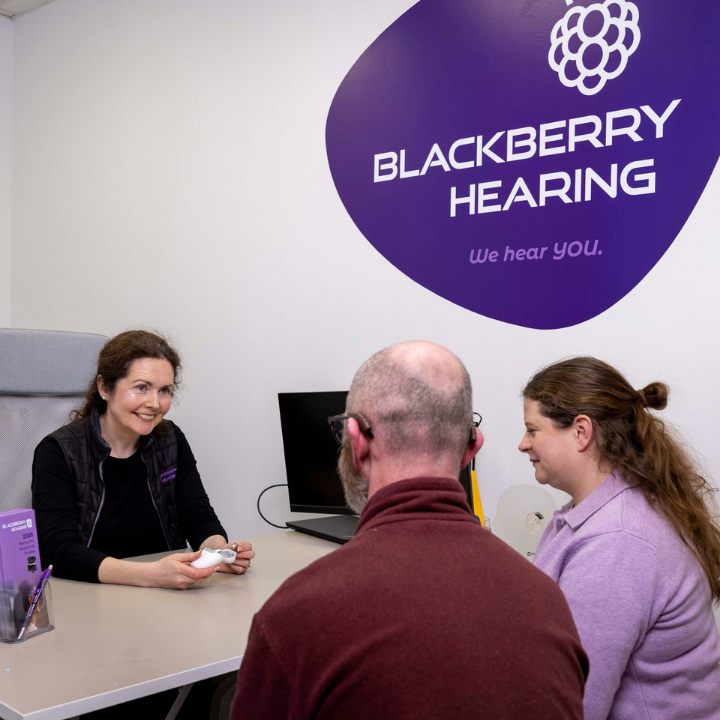
Hearing loss can develop gradually, making it easy to miss the early signs. Whether you’re concerned about changes in your hearing or simply want to learn more, we’ve answered some of the most common questions about hearing loss to help you better understand the causes, symptoms and when to seek professional advice.
Talk to our team Talk to our teamHearing loss often develops gradually, making it easy to miss the early signs. Common symptoms include asking people to repeat themselves, turning up the TV volume, struggling to hear in busy places and missing everyday sounds like the doorbell or phone. If you’ve noticed these changes, it’s worth booking a free hearing test.
If you’re finding conversations harder to follow, especially in noisy environments, or relying on others to repeat themselves, hearing aids may help. The best way to know is through a professional hearing assessment. Your Audiologist will explain your results and recommend the most suitable solution for your hearing needs.
Hearing loss can be caused by ageing, prolonged exposure to loud noise, genetics, ear infections or certain medical conditions. In many cases, it develops gradually over time. A hearing assessment can help identify the cause of your hearing loss and determine the most appropriate treatment or hearing solution.
Yes. Most hearing loss develops slowly over several years, which is why many people don’t notice it straight away. Family members often notice the changes first. Regular hearing tests can help detect hearing loss early and allow you to explore solutions before it begins to affect your daily life.
Not all hearing loss is permanent. Temporary hearing loss can be caused by ear wax, infections or other treatable conditions. Permanent hearing loss is often related to ageing or damage to the inner ear. A hearing assessment will help determine the cause and the most suitable treatment options.
Yes. Hearing loss can affect one ear or both ears. Age-related hearing loss commonly affects both ears, although one ear may be worse than the other. During your hearing assessment, your Audiologist will test each ear individually to understand your hearing needs.
For many people, hearing loss progresses gradually as they get older. The rate of change varies depending on the cause. Regular hearing assessments allow your Audiologist to monitor your hearing and recommend adjustments or hearing aids if your hearing changes over time.
Yes. A build-up of ear wax can temporarily reduce your hearing by blocking sound from reaching the eardrum. Unlike permanent hearing loss, this can often be resolved by safely removing the excess wax. Your Audiologist will examine your ears during your hearing assessment.
Yes. Age-related hearing loss is one of the most common types of hearing loss and often develops gradually from the age of 50 onwards. Regular hearing tests can help identify changes early and ensure you receive the right advice and support.
Yes. Untreated hearing loss can make conversations more difficult, reduce confidence in social situations and lead to frustration or isolation. Seeking help early can improve communication, help you stay connected with family and friends, and support your overall wellbeing.
Research has shown that untreated hearing loss may be associated with an increased risk of social isolation, depression and cognitive decline. While hearing aids cannot prevent these conditions, addressing hearing loss early may help you stay engaged and connected in everyday life.
You should book a hearing test if you’ve noticed changes in your hearing, if friends or family have commented that you’re not hearing as well as you used to, or if you’re struggling to follow conversations. Early assessment can help identify hearing loss and provide reassurance or appropriate treatment.
Hearing Tests
A hearing test is the best way to understand your hearing health. If you’re experiencing changes in your hearing or simply want peace of mind, we’ve answered some of the most common questions about hearing assessments, what to expect during your appointment and how often you should have your hearing checked.
Book a hearing test Book a hearing test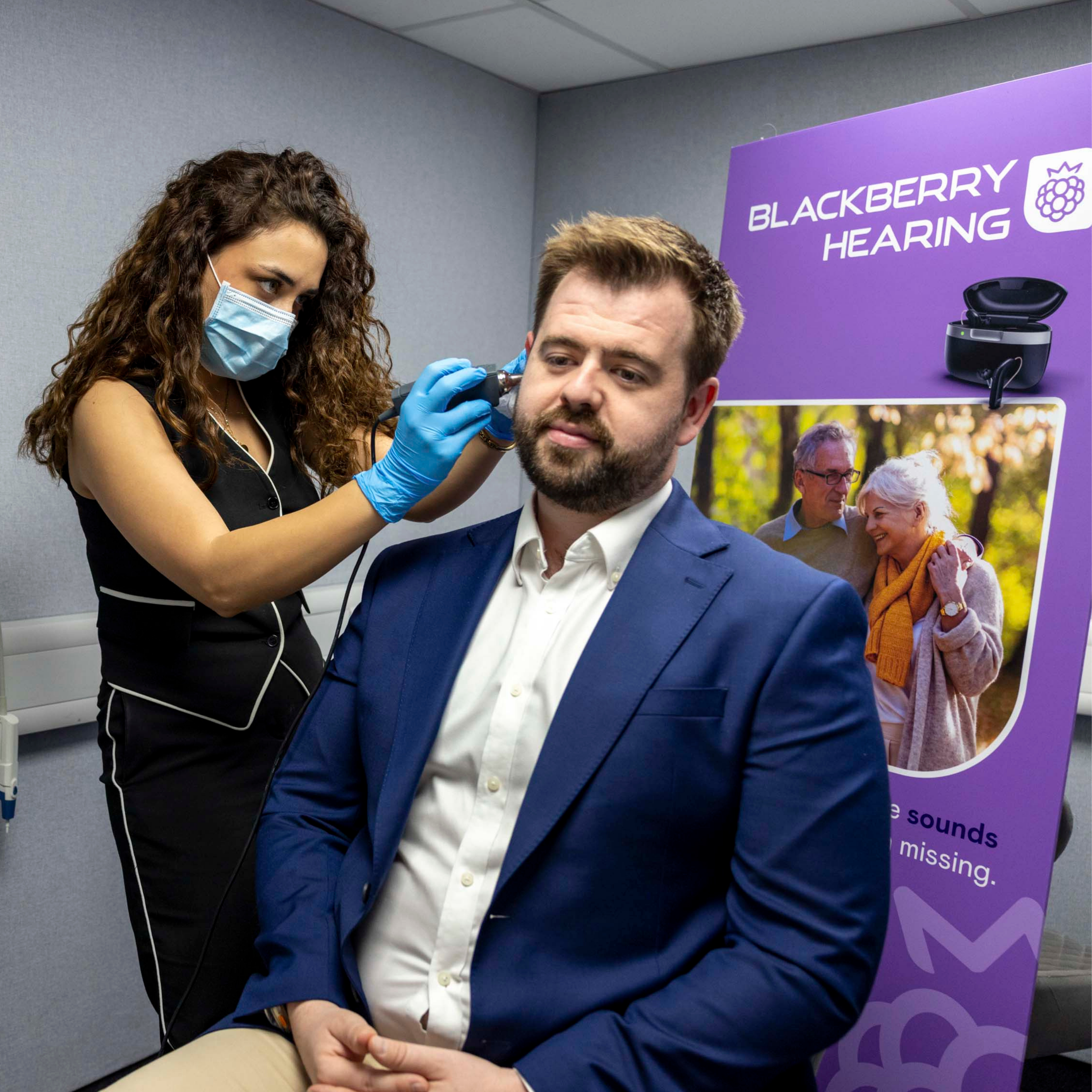
Yes. At Blackberry Hearing, we offer free hearing tests carried out by our qualified Audiologists. Your appointment includes a comprehensive hearing assessment, a discussion about your hearing concerns and personalised recommendations based on your results.
During your appointment, your Audiologist will ask about your hearing, lifestyle and any concerns you may have. They will examine your ears, carry out a series of painless hearing tests and explain your results clearly. If hearing aids could benefit you, they’ll discuss the most suitable options based on your hearing needs and lifestyle.
A hearing test typically takes around one hour. This allows enough time for your Audiologist to assess your hearing, explain your results, answer your questions and recommend the most appropriate next steps if needed.
No. You do not need a GP referral to book a hearing test with Blackberry Hearing. You can book an appointment directly at any of our clinic locations or arrange a free home visit if you’re unable to attend a clinic.
No. Hearing tests are completely safe, painless and non-invasive. You’ll simply listen to a series of sounds through headphones and respond when you hear them. Your Audiologist will guide you through each stage of the assessment.
If you’re over 50 or have noticed changes in your hearing, it’s a good idea to have your hearing checked regularly. If you already wear hearing aids, your Audiologist may recommend more frequent reviews to monitor your hearing and ensure your devices continue to meet your needs.
Yes. You’re welcome to bring a family member, friend or carer to your appointment. Having someone with you can provide reassurance, help you remember the information discussed and offer support when considering your hearing care options.
Once your hearing assessment is complete, your Audiologist will explain your results and answer any questions you may have. If hearing aids are recommended, they’ll discuss suitable options based on your hearing, lifestyle and budget. If hearing aids aren’t needed, they’ll advise you on the most appropriate next steps and any future hearing reviews.
Yes. You can book your free hearing test online at a time and location that suits you. If you prefer, you can also contact our friendly team by phone, and we’ll help you arrange an appointment at one of our clinics or organise a free home visit if you’re unable to travel.
Hearing Aids
Modern hearing aids are smaller, smarter and more discreet than ever before. Whether you’re considering hearing aids for the first time or looking to upgrade your current devices, we’ve answered some of the most common questions about hearing aid technology, comfort and daily use.
View our hearing aids View our hearing aidsHearing aids amplify sounds to make speech and everyday noises easier to hear. They use a microphone to pick up sound, process it using advanced technology and deliver it to your ear through a speaker. Modern hearing aids are designed to improve speech clarity while reducing background noise, helping you hear more naturally in different listening environments.
The best hearing aid depends on your level of hearing loss, lifestyle, budget and personal preferences. During your hearing assessment, your Audiologist will recommend the most suitable hearing aid based on your individual needs, ensuring you receive the right balance of comfort, performance and technology.
Modern hearing aids are smaller and more discreet than ever before. Many styles fit comfortably behind the ear or sit almost invisibly inside the ear canal. Your Audiologist will help you choose a hearing aid that suits both your hearing needs and personal preferences.
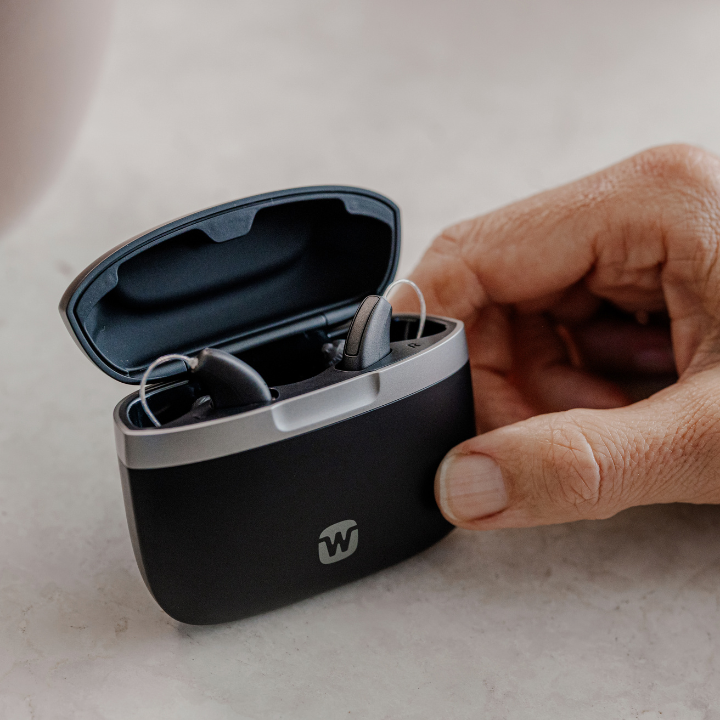
Yes. Many modern hearing aids come with rechargeable batteries, allowing you to simply place them in a charging case overnight. Rechargeable hearing aids offer all-day performance without the need to regularly replace disposable batteries.
Many modern hearing aids feature Bluetooth technology, allowing them to connect directly to compatible smartphones. This lets you stream phone calls, music and other audio directly to your hearing aids, as well as adjust settings using a dedicated smartphone app.
Yes. Many hearing aids can stream television audio directly to your ears using Bluetooth or a compatible TV accessory. This allows you to enjoy clearer sound at a comfortable volume without affecting the listening experience of others.
With proper care and regular maintenance, hearing aids typically last between five and seven years. Regular servicing and hearing reviews help ensure they continue to perform at their best and meet your changing hearing needs.
Everyone adapts at their own pace, but most people begin to feel comfortable wearing hearing aids within a few weeks. It’s normal for everyday sounds to seem different at first. Your Audiologist will provide ongoing support and adjustments to help you get the most from your hearing aids.
Yes. Hearing aids are designed to be worn throughout most daily activities, including walking, gardening and exercise. If you’re taking part in vigorous physical activity, it’s important to protect your hearing aids from excessive moisture and sweat. Your Audiologist can advise you on the best care for your devices.
Regular cleaning helps keep your hearing aids performing at their best. Wipe them daily with a soft, dry cloth and remove any wax or debris using the cleaning tools provided. Avoid using water or household cleaning products, and store your hearing aids in a clean, dry place when not in use. Your Audiologist will show you how to care for your hearing aids during your fitting appointment.
For many people, yes. If you have both hearing loss and tinnitus, hearing aids may help reduce the awareness of ringing or buzzing by amplifying everyday sounds. Some hearing aids also include dedicated tinnitus management features. Your Audiologist can advise whether these may be suitable for you.
Yes. Behind-the-ear hearing aids are designed to be worn comfortably alongside glasses. Your Audiologist will ensure your hearing aids fit securely and comfortably with your glasses during your fitting appointment.
Most modern hearing aids are designed to withstand everyday moisture, including light rain and perspiration. However, they are not fully waterproof, so they should be removed before showering, swimming or any activity where they may be submerged in water.
It’s generally recommended that you remove your hearing aids before going to bed. This allows your ears to rest and gives your hearing aids time to recharge or dry out overnight. Removing them also helps prolong their lifespan.
Yes. Most people wear their hearing aids throughout the day to enjoy the greatest benefit. Wearing them consistently also helps your brain adapt more quickly to amplified sounds, making conversations feel more natural over time.
Hearing aids cannot restore hearing to normal or cure hearing loss. However, they can significantly improve your ability to hear conversations, television, phone calls and everyday sounds, helping you stay connected with the people and activities you enjoy.
Hearing can change gradually over the years. That’s why regular hearing reviews are important. Your Audiologist can adjust your hearing aids to match any changes in your hearing, ensuring they continue to perform effectively.
Yes. Like any electronic device, hearing aids benefit from regular servicing and maintenance. Routine checks help ensure they’re working correctly, while professional cleaning and adjustments can extend their lifespan and maintain sound quality. All of our hearing aids come with a 4 year warranty which includes free servicing.
If hearing aids are recommended following your hearing assessment, your Audiologist will explain your options, demonstrate suitable devices and discuss the next steps. Blackberry Hearing also offers a 45-day money-back guarantee, giving you added confidence when choosing hearing aids.
Hearing aids typically last between five and seven years. As technology advances or your hearing changes, your Audiologist may recommend upgrading to newer hearing aids that better suit your needs.
Yes. Many modern hearing aids use advanced technology to reduce unwanted background noise while enhancing speech. This makes it easier to follow conversations in restaurants, cafés and other busy environments, although no hearing aid can eliminate background noise completely.
For many people, hearing aids can make a significant difference to everyday life. They can improve communication, make conversations easier to follow, help you stay connected with family and friends and increase confidence in social situations. If hearing loss is affecting your daily life, a hearing assessment is the best way to find out whether hearing aids could benefit you.
PRSI Grants & Costs
Many people are surprised to learn they may be entitled to financial support towards the cost of hearing aids. Below, we’ve answered some of the most common questions about hearing aid costs, the PRSI Treatment Benefit Scheme, payment options and other financial support available.
Check grant eligibility Check grant eligibility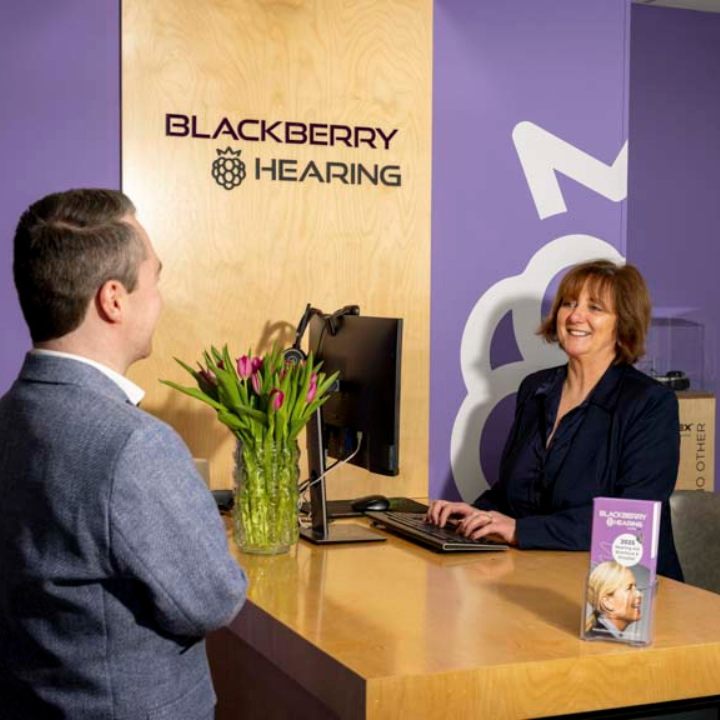
The cost of hearing aids varies depending on the style, technology and features that best suit your hearing needs. During your hearing assessment, your Audiologist will explain the available options, provide clear pricing and recommend the most suitable solution based on your hearing and lifestyle.
Yes. Many people in Ireland may be eligible for financial support towards hearing aids through the PRSI Treatment Benefit Scheme. Depending on your circumstances, you may also have cover through private health insurance. At Blackberry Hearing, we’ll help you explore the funding options available to you.
The PRSI Treatment Benefit Scheme is a government-funded programme that provides financial support towards certain health services, including hearing aids, for eligible PRSI contributors. If you qualify, you may be entitled to a contribution towards the cost of hearing aids once every four years.
Eligibility depends on your PRSI contribution record and individual circumstances. Many employees, self-employed people and retired individuals who have made enough PRSI contributions may qualify. Our team can quickly check your eligibility and explain the support available.
If you’re eligible under the PRSI Treatment Benefit Scheme, you may receive up to €1,000 towards the cost of a pair of hearing aids. The scheme also includes a contribution towards the cost of a hearing aid fitting. Our team will explain exactly what you’re entitled to before you make any decisions.
Eligible individuals can usually claim the PRSI hearing aid benefit once every four years. If you’re unsure when you last claimed or whether you’re eligible again, our team can help you check.
Yes. We can check your PRSI eligibility online and usually provide an answer within minutes. If you’re eligible, we’ll guide you through the application process and explain the funding available to you. You can check your eligibility or book a free hearing test online today.
Yes. We offer flexible payment plans to help spread the cost of hearing aids. Our team will discuss the available options with you and help you find a payment solution that suits your budget.
Some private health insurance providers offer contributions towards hearing aids, depending on your policy. We recommend checking with your insurer to understand your level of cover. If you’re unsure, our team will be happy to provide any documentation you may need to support your claim.
Yes. If you’re eligible for the PRSI Treatment Benefit Scheme, you may still choose to spread the remaining cost of your hearing aids using one of our flexible payment plans. Our team will explain all of the options available to help make hearing care more affordable.
Start your path to better hearing


